


Back in June, I nearly lost my mind. I was burnt. The fuck. Out.
We had been running Women in America since July 2022 while I was also working full-time in global reproductive health, and that alone would have been plenty. Then the rest of my life started falling apart. My health began to fail. My dog got sick. The roof of my house sprung a massive leak. H&R Block had mangled my taxes so badly that the IRS came after me. I gained twenty pounds. My family stopped hearing from me. I was repeatedly getting guilt tripped from friends that I was never around. I was giving away everything I had and keeping almost none of it for myself.
I was miserable.
This is an unfortunately common refrain in activism. You care deeply about a cause, so you sacrifice everything for it, and then you start treating the sacrifice as proof that you care. I resisted admitting I had fallen into that trap for a long time. It took five friends, including my Women in America co-founder Pari, staging what was essentially an intervention to save me from myself. Every one of them said a version of the same thing: you are going to have nothing left to give this cause if you run yourself into the ground.
So I took a sabbatical.
Not from the 9-to-5, obviously, given the medical bills and my house that was actively raining inside. But I stepped away from Women in America for a few months to get some breathing room, to deal with the parts of my life I had been putting off, and to remember that I was a person before I was an activist. Eventually, to figure out whether I could come back to this work without destroying myself in the process.
Every one of them said a version of the same thing: you are going to have nothing left to give this cause if you run yourself into the ground.
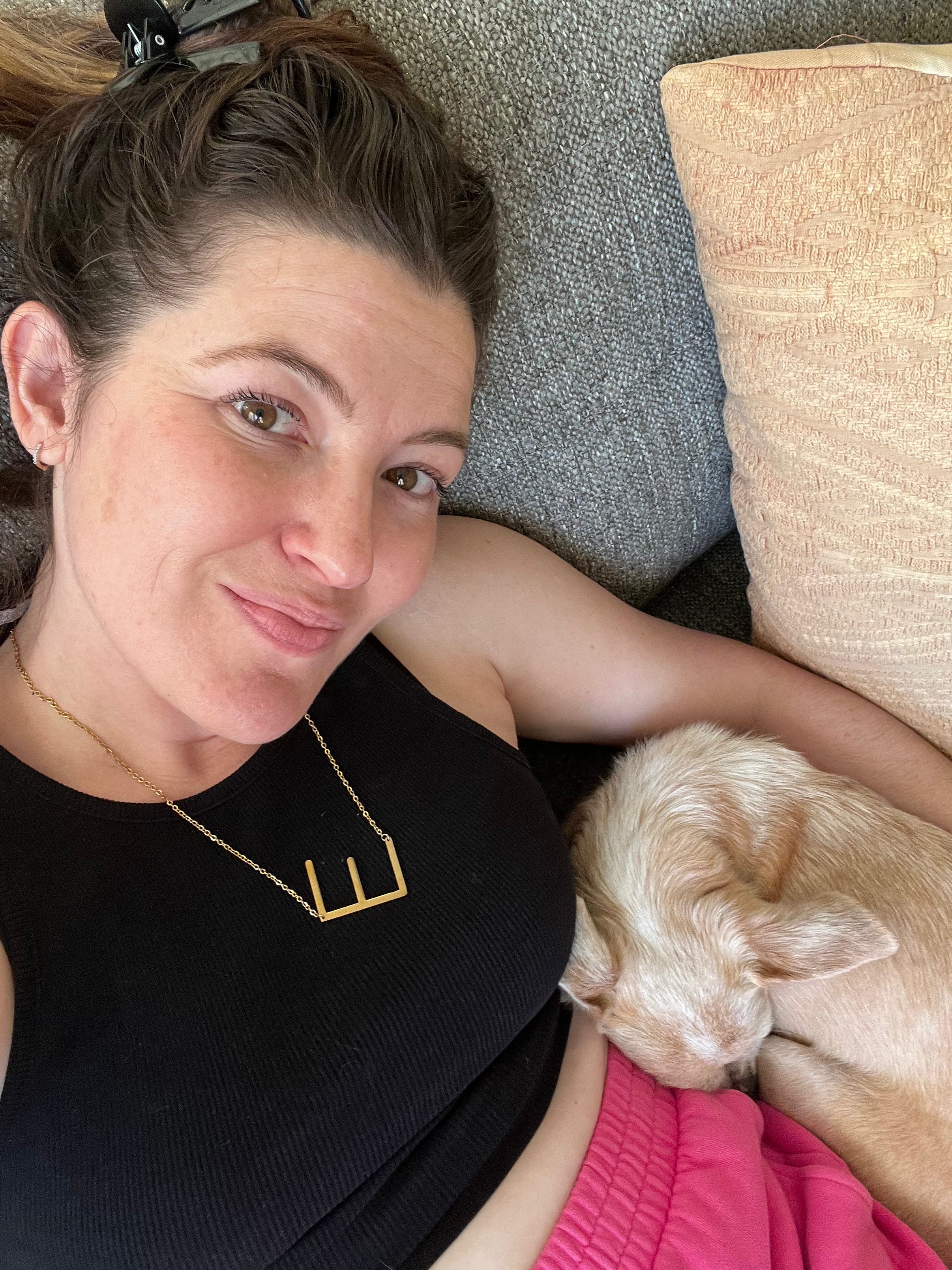
The first Saturday of my sabbatical, I woke up without an alarm. I walked my dog, went to boxing for an hour, and answered a handful of emails to the new accountant untangling my IRS mess and the general contractor fixing my house. I walked to my favorite neighborhood coffee shop for lunch. Then I came home and read my book club book, “The Rose Code,” for a few hours. I went to bed at 9:30pm. I slept for eleven hours that night. It was, by any reasonable measure, an ordinary weekend in the life of a functional adult, and my body responded to it like I had been rescued from the depths of Hell.
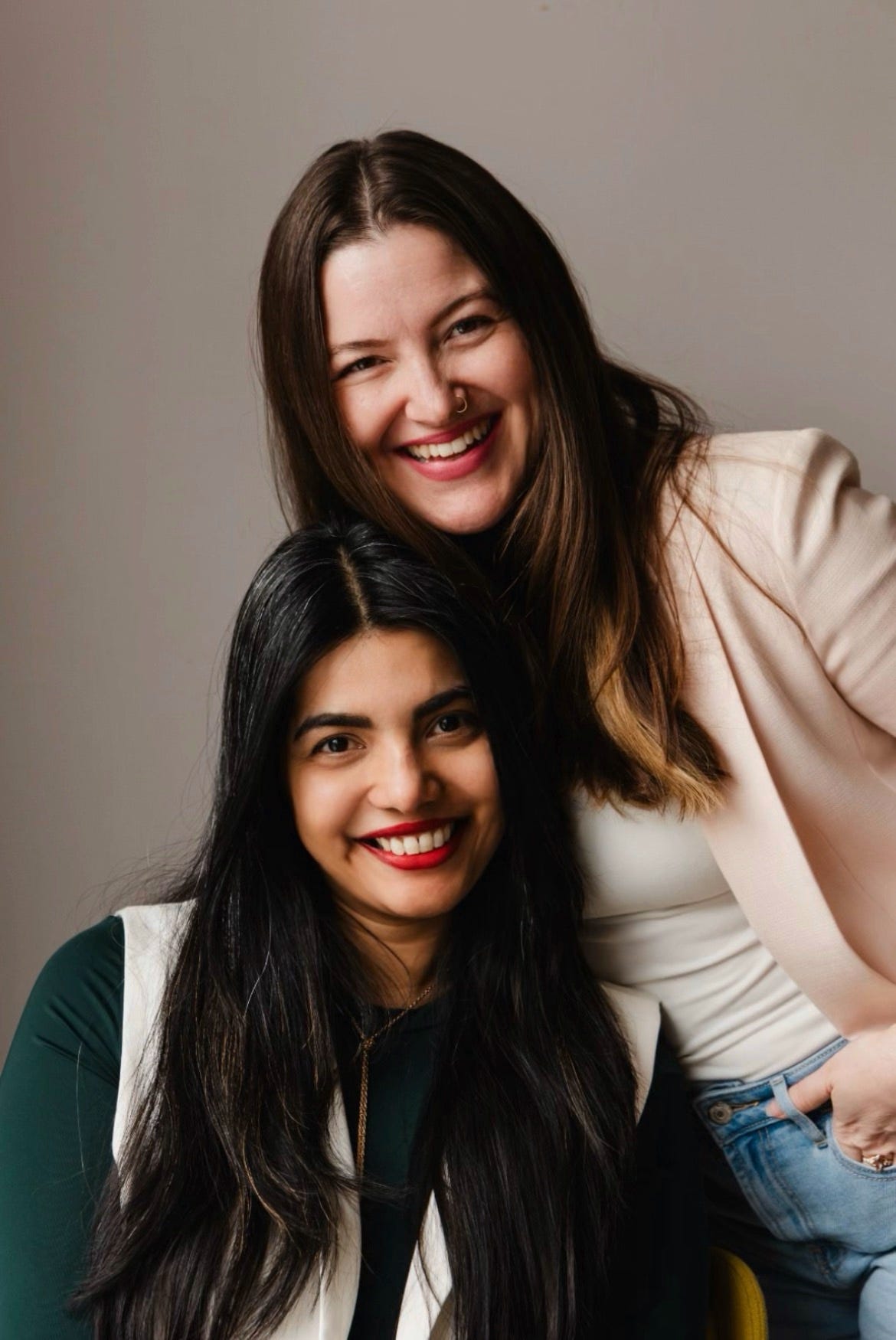
Pari supported me completely, and that matters more than I can explain. There is a particular kind of compassion that comes from another woman looking at you and essentially saying, babe, with all the love in the world, you cannot keep doing this. Without Pari I could not have started Women in America, and without Pari I could not have stepped away from it either. Sometimes the most radical thing another woman can do for you is refuse to ask you for more, and tell you instead that you have given enough.
That turned out to be the beginning of a much larger question for me about the kind of feminist movement we are actually building. I wrote about the genesis of this question after attending a reproductive justice conference in Chicago earlier this year:

I spend most of my professional life talking about autonomy. The right to decide whether and when to have children. The right to access healthcare. The right to control your own body. The right to build a life on your own terms. Somewhere along the way I got very good at granting everyone else permission to have those things while denying myself permission to rest. I don’t think I’m unusual in that.
There is a specific culture of self-sacrifice in this work. We wear exhaustion like a badge of honor, answering emails on vacation and working through having the Plague because there is a deadline and the cause is real. The cause IS real. That is exactly the problem. When you genuinely care about something, it becomes very easy to convince yourself that whatever you are doing is necessary, and necessary right now.

There is no shortage of right now. We are living through the most combative period for reproductive autonomy in the United States since abortion entered the political arena in the 1980s. There is so much to be angry about and so much to be afraid of, and therefore so SO much to do.
We are in this for the long haul, baby. It took the anti-rights movement fifty years to overturn Roe, and it may take us fifty to build something better in its place. This does not end with the midterms, or with the ERA finally being recognized, or with a woman in the White House. All of that would help, but none of it would finish the job. This is a generational fight, and if we are serious about winning a different future, we need people who can stay in it.
Staying in it means activists get to take vacations. Organizers get to take parental leave. People get to care for sick parents, change jobs, get sick themselves, fall in love, take sabbaticals and occasionally log off without feeling like they have abandoned the cause.
I don’t mean this as “sElF-cArE iS rEvOlUtIoNaRy” live-laugh-love bullshit. Please. I remain deeply suspicious of a wellness-industrial complex that tells women the answer to structural inequality is a $38 candle and a morning routine. Rest does not fix an unjust system. Building a movement where people are allowed to be whole human beings does.
There is a difference between asking people to make sacrifices for a cause and building a culture where sacrificing yourself is the price of admission. I had to sit with that one this summer.
There is a difference between asking people to make sacrifices for a cause and building a culture where sacrificing yourself is the price of admission.
Taking a sabbatical did not make me care less about Women in America. If anything, it reminded me why I care so much. I had spent four years building something I believe in with one of my best friends, a community of 750,000 people who care about feminism, reproductive rights and making sense of the absolute chaos happening around us. I never wanted to walk away from that. I just needed to stop treating myself as an infinite resource.
I was also humbled to discover that the world kept spinning without me. Women in America kept going because Pari kept creating and our community kept showing up. I got to step back and remember that this work is not supposed to consume my life. It is supposed to be part of it.
For generations, women have been praised for resilience, for doing it all, holding everything together, working and parenting and caregiving and organizing and somehow showing up the next morning as if nothing had happened. I don’t want that anymore. I don’t want a world where women become exceptionally good at surviving impossible circumstances. I want a world where the circumstances themselves become less impossible. The goal is not to get better at surviving an unsustainable movement. The goal is to build a movement people can actually survive.
I don’t want a world where women become exceptionally good at surviving impossible circumstances.
So I’m coming back to Women in America with more humility about what I can give, more clarity about what I need, and a much stronger conviction that those two things were never in conflict.
I still care deeply and I still have a lot to say, which is convenient, because there is still a shit ton to fight for. But I’m trying something new this time. I’m in this fight for the long haul, and that means taking care of the person doing the fighting.
So here is my ask, and it is a small one. If you are reading this while answering emails you swore you would leave until Monday, tell me in the comments what you have been putting off.
It might be an appointment or a phone call or a weekend getaway, because the work is urgent and the work is always urgent.
Then, if you have it in you, tell one other woman in this movement that she has given enough. That sentence changed my year, and it cost the friend who said it to me nothing.
Find us on Instagram @Women_InAmerica
I think we all struggle with whether or not we do enough, especially when the stakes are so high. I have to believe that what we do IS good when our heart is in the right place. And we have to accept that we can only do so much, but it can be GOOD ENOUGH. The power comes from our SHARED pursuit of what we know is right.
I’m male, but very touched by your message, and the principle that applies more characteristically to women can also be exactly what men need, too!Sometimes it’s children worried about their parents! Or even my dog worried about me. Much love and many warm wishes,
Kirk